Video Game Electronic and Device Icons: A Practical Guide for Creative and Professional Workflows
Visual communication plays a critical role in both digital design and content creation, especially in industries centered around gaming, technology, and interactive media. One of the most effective tools for conveying complex ideas quickly and clearly is the use of icons. Specifically, Video Game Electronic and Device Icons provide a streamlined visual language for representing hardware, software, and gameplay elements. These icons, especially when available in vector formats like EPS and raster formats like JPG, offer flexibility and scalability that are essential for a wide range of applications.
Understanding Video Game Electronic and Device Icons
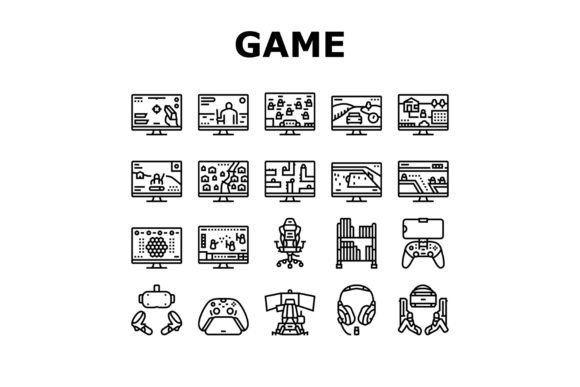
Video Game Electronic and Device Icons are visual symbols that represent various gaming and computing components. These include items such as joysticks, game consoles, computer peripherals, and other related electronics. When designed in a consistent style—such as black contour illustrations—they become a powerful resource for developers, designers, educators, and marketers looking to create cohesive visual experiences.
These icons are often part of a larger icon set that may also include symbols for gameplay genres like racing simulators, action and adventure, sports, and royal battle video games. This makes them particularly useful for projects that span multiple aspects of the gaming ecosystem—from marketing materials to user interface design.
Integration into Creative and Professional Workflows
Whether you're designing a website, creating marketing assets, or building an educational presentation, integrating Video Game Electronic and Device Icons into your workflow can enhance clarity and visual appeal. Here's how they can be applied at different stages of a project:
- Pre-Planning and Conceptualization: Use icons to sketch out visual concepts or wireframes before diving into full-scale design. This helps communicate ideas quickly during brainstorming sessions.
- Design and Development: Incorporate icons into UI/UX design, especially for gaming-related platforms or applications. Vector formats like EPS ensure high-quality visuals across devices and screen sizes.
- Promotion and Marketing: Use icons in social media posts, banners, or email campaigns to visually represent features or supported platforms.
- Documentation and Education: Illustrate tutorials, user manuals, or training materials with icons to improve comprehension and retention.
Compatibility and Cross-Platform Use
A key advantage of Video Game Electronic and Device Icons in JPG and EPS formats is their compatibility with various design tools and platforms. Vector EPS files can be edited in Adobe Illustrator, Inkscape, or other vector software, allowing for customization and scalability without loss of quality. JPG versions, while raster-based, are ideal for quick placement in presentations, websites, and printed materials where vector editing isn't necessary.
This flexibility supports a wide range of creative and professional workflows, from web and app development to print design and digital marketing. It's important to consider the intended use case when selecting the appropriate format to ensure optimal results.
Practical Implementation Tips
Here are several strategies for incorporating Video Game Electronic and Device Icons effectively into your work:
- Establish Visual Consistency: Choose a unified style for all icons used within a project. If using black contour illustrations, ensure all icons in the set follow the same line weight, stroke style, and level of detail.
- Organize Icon Assets: Keep icons well-organized in folders or asset libraries. Name files clearly and group them by category (e.g., consoles, peripherals, gameplay types) to streamline access during design phases.
- Optimize for Different Platforms: When using icons in digital interfaces, test them across devices to ensure legibility and responsiveness. Vector formats allow for easy resizing without pixelation.
- Combine with Typography and Color: Icons work best when paired with complementary text and color schemes. Use them to highlight key points rather than replace textual explanations entirely.
- Maintain Licensing Compliance: Always verify the usage rights for any icon set you incorporate into your work, especially when distributing content commercially.
Use Cases Across Industries
Professionals in different fields can benefit from the strategic use of these icons:
- Game Developers: Use icons to represent control schemes, platform compatibility, or genre-specific features in game menus or promotional materials.
- UI/UX Designers: Integrate icons into dashboards, settings menus, or feature overviews to improve user navigation and comprehension.
- Educators and Trainers: Illustrate lessons on gaming history, hardware evolution, or digital literacy using clear, recognizable symbols.
- Marketers and Content Creators: Enhance blog posts, infographics, and social media visuals with relevant icons to support storytelling and engagement.
- Entrepreneurs and Small Business Owners: Leverage icons in branding materials, product packaging, or service descriptions for tech-related offerings.
Long-Term Value and Scalability
When implemented thoughtfully, Video Game Electronic and Device Icons contribute to a more efficient and visually cohesive workflow. Their scalability ensures they remain useful as projects grow or evolve. For instance, a set of icons used in a mobile game's UI can later be repurposed for merchandise, marketing campaigns, or educational content related to the game.
Additionally, maintaining a consistent visual language over time helps reinforce brand recognition and user familiarity. This is especially important in gaming, where players often associate specific visual cues with functionality or genre expectations.
Quality Control and Resource Management
To ensure long-term usability and effectiveness, it's important to maintain high standards when selecting and implementing icon sets:
- Choose High-Quality Sources: Opt for professionally designed icon sets that have been tested across use cases and platforms.
- Test in Context: Always preview icons in the environment where they'll be used—whether that's a dark UI theme, a printed brochure, or a mobile app screen.
- Update When Necessary: As design trends and technology evolve, revisit your icon library to ensure it remains relevant and visually aligned with current standards.
Conclusion
Incorporating Video Game Electronic and Device Icons into your creative or professional workflow can significantly enhance communication, design efficiency, and user experience. Whether you're building a game, designing a website, or crafting marketing content, these icons offer a versatile and scalable solution for representing complex ideas visually. By understanding how to integrate them effectively and maintain their quality over time, you can ensure they remain a valuable asset in your toolkit for years to come.