Fighting Game Glyph Icons: Design, Utility, and Modern Applications
In the dynamic world of digital design and gaming, fighting game glyph icons play a crucial role in enhancing user experience and visual storytelling. These icons, often stylized and packed with symbolism, are more than just decorative elements—they're functional tools that communicate action, intent, and identity within a game or interface. Whether you're designing a fighting game UI or creating a themed website, understanding the value and versatility of these icons is essential.
What Defines a Fighting Game Glyph Icon?
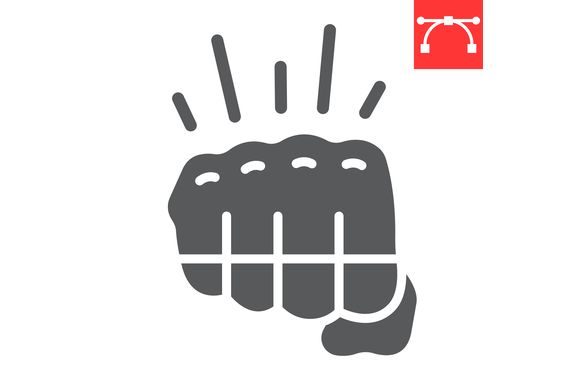
Fighting game glyph icons are typically minimalistic vector graphics that represent combat actions, characters, or themes commonly found in fighting games. They may include symbols like fists, weapons, health bars, or even stylized representations of characters. These icons are often created in EPS 10 format, which allows for scalability without loss of quality—a key factor when designing for multiple platforms and screen sizes.
Designers usually opt for either solid or editable stroke styles depending on the intended use. Solid icons provide a bold, impactful look, while editable stroke icons offer more flexibility for customization, allowing designers to tweak line thickness, color, and other visual properties.
Why Vector Format Matters
Vector formats like EPS 10 ensure that your fighting game glyph icons remain sharp and clear, whether they're displayed on a mobile screen or a large banner. Unlike raster images, vectors are resolution-independent, making them ideal for responsive design and scalable UI elements. This adaptability is especially important in modern workflows where assets are reused across various platforms and devices.
Applications in Game Design and Beyond
Fighting game glyph icons are not limited to actual video games. Their visual impact and thematic clarity make them suitable for a wide range of applications:
- Game HUDs: Icons help players quickly recognize actions, abilities, or status indicators.
- Mobile Apps: Fitness or martial arts apps often use fist or combat symbols to represent strength or challenge features.
- Themed Websites: Fight clubs, gaming communities, or esports sites benefit from a strong visual identity using these icons.
- Merchandise and Logos: Vector icons can be easily adapted for print, apparel, and branding materials.
Designers working on a fight club website, for instance, might use a stylized fist icon to represent strength and unity. Similarly, a video games blog covering the latest fighting game releases might use these glyphs to categorize content or highlight special features.
Customization and Branding
One of the major benefits of using editable stroke icons is the ability to tailor them to your brand's aesthetic. Whether you're designing a dark-themed fighting game or a vibrant arcade-style app, you can adjust stroke width, color schemes, and even combine multiple glyphs to create a unique visual language.
For example, a fighting game might use a glowing fist icon to represent a character's special move, while a muted version of the same icon could indicate cooldown status. This level of detail improves both usability and immersion.
How to Choose the Right Glyph Icon for Your Project
When selecting fighting game glyph icons, consider the following factors:
- Style Consistency: Ensure the icon matches the overall design language of your project. A pixel-art game might benefit from retro-styled glyphs, while a modern UI could use sleek, minimalist icons.
- Scalability Needs: Always opt for vector formats like EPS 10 for high-quality scaling across devices.
- Functional Clarity: Icons should be intuitive. A fist icon should clearly represent attack or strength, not be confused with another action.
- License and Usage Rights: Make sure the icons you use are either royalty-free or properly licensed for your intended use.
Designers often start by browsing icon marketplaces or design kits that specialize in fighting game themes. Many of these resources offer comprehensive sets that include not only fist and weapon symbols but also health bars, character portraits, and stage indicators.
Real-World Examples
Consider the UI of popular fighting games like Street Fighter or Mortal Kombat. Their use of glyph icons is both functional and thematic. From the health meter to the special move indicators, each icon is designed to convey meaning quickly and effectively. Even outside of gaming, fitness apps like those focused on boxing or martial arts often incorporate similar iconography to represent workouts, progress, or challenge modes.
In web design, a fight club social media page might use a stylized fist icon as a call-to-action button—perhaps labeled “Join the Fight” or “Test Your Skills.” This kind of visual consistency helps users understand what to expect and encourages engagement.
Integrating Glyph Icons into Your Workflow
Modern design tools like Adobe Illustrator, Figma, and Sketch support EPS 10 and SVG formats, making it easy to import and edit fighting game glyph icons. Designers can work with layers, adjust stroke properties, and integrate icons seamlessly into mockups or prototypes.
For developers, integrating these icons into a project is straightforward. SVGs can be embedded directly into HTML or CSS, allowing for dynamic styling and interactivity. For example, a button with a fist icon could change color or animate when hovered over, enhancing user interaction.
Many game engines like Unity or Unreal also support vector icons through plugins or native import options. This makes it easier to maintain a consistent visual style across both the game UI and promotional materials.
Best Practices for Icon Use
- Keep It Simple: Avoid overcomplicating icons. A clean, minimal design is often more effective.
- Use Color Strategically: Color can indicate function, status, or hierarchy. Red might signal danger or attack, while green could mean healing or defense.
- Align with Typography: Icons should complement your font choices and overall layout.
- Test Across Devices: Ensure icons remain legible and recognizable on all screen sizes.
Conclusion
Fighting game glyph icons are more than just visual embellishments—they're essential components of modern design and user experience. Whether used in a video games interface, a fight club branding project, or a fitness app, these icons help communicate action and intent in a clear, concise way. With the flexibility of EPS 10 and the adaptability of editable stroke icons, designers have the tools to create compelling, functional visuals that stand the test of time and technology.