Polygonal Stone in Cartoon Game Style: A Design Choice for Modern Game Development
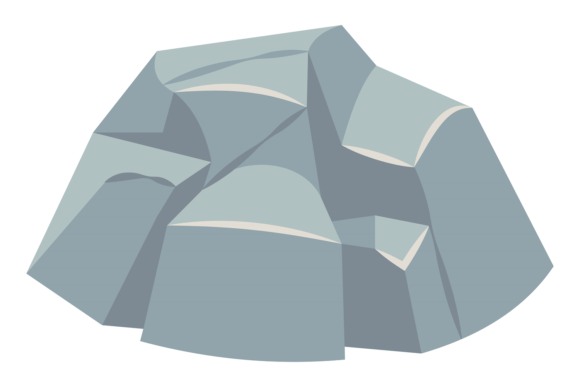
When developing a cartoon-styled game, visual consistency and aesthetic appeal are crucial. One element that often plays a significant role in achieving this is the use of Polygonal Stone in Cartoon Game Style. G. This design asset represents a stylized, low-poly interpretation of stone or rock formations, tailored specifically for use in cartoon-themed games. Whether used as environmental props, terrain elements, or decorative features, polygonal stones contribute to the overall cohesiveness of a game's visual language.
Understanding Polygonal Stone in Cartoon Game Style. G
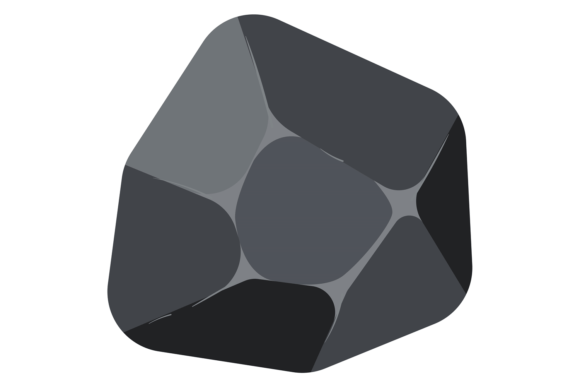
The Polygonal Stone in Cartoon Game Style. G is typically created using a low-polygon modeling technique, which results in a geometric, faceted appearance. This style aligns well with cartoon aesthetics that favor stylization over realism. These assets are often delivered as vector-based EPS files or rasterized JPG images, making them versatile for both 2D and 3D game development pipelines. The gray rock texture is commonly isolated on a white background, allowing for easy integration into various digital environments without the need for extensive editing.
Why Gamers and Developers Might Be Interested
Developers and designers are increasingly turning to stylized assets like the Polygonal Stone in Cartoon Game Style. G for several reasons:
- Visual Cohesion: Maintains a consistent look across game environments.
- Performance Efficiency: Low-poly models are less resource-intensive than high-resolution alternatives.
- Artistic Flexibility: Easily customizable to fit different color palettes or lighting conditions.
- Asset Availability: Readily available in multiple formats (EPS, JPG) suitable for both 2D and 3D workflows.
For indie developers or small studios, these assets offer an accessible way to build visually engaging worlds without requiring high-end hardware or extensive modeling time.
Benefits and Tradeoffs
One of the primary benefits of using Polygonal Stone in Cartoon Game Style. G is its compatibility with a wide range of game genres, especially those that embrace a stylized or whimsical aesthetic. These assets can be quickly integrated into levels, used to build terrain, or serve as background elements that enhance the visual depth without overwhelming the scene.
However, there are tradeoffs to consider:
- Detail Limitations: Due to their low-poly nature, these stones may lack the intricate surface detail found in high-resolution models.
- Repetition Risks: Overuse of similar polygonal assets can lead to visual monotony unless supplemented with variations or overlays.
- Style Constraints: While perfect for cartoon environments, they may not be suitable for games aiming for realism or historical accuracy.
When It's a Strong Fit
The Polygonal Stone in Cartoon Game Style. G is particularly well-suited for:
- Indie or Casual Games: Where performance optimization and rapid development are priorities.
- Stylized Worlds: Games that use a consistent low-poly or cartoon aesthetic benefit from the visual harmony these stones provide.
- Mobile Games: Lower polygon counts help maintain smooth frame rates on less powerful devices.
- Prototyping: Quick asset integration allows developers to test level layouts and environmental designs efficiently.
In these contexts, the polygonal stone serves not just a functional purpose but also contributes to the overall artistic direction of the game.
When Alternatives May Be Better
Despite its advantages, there are scenarios where developers may want to consider alternatives:
- High-Fidelity Projects: AAA titles or simulation games that require realistic textures and detailed rock formations may need more advanced assets.
- Historical or Realistic Settings: Games set in real-world environments may benefit more from photorealistic textures or sculpted rock models.
- Unique Art Styles: If a game's visual identity is highly unique or experimental, generic polygonal stones may not align with the intended look.
In such cases, custom modeling or the use of higher-resolution assets may be more appropriate, even if it comes with increased development time and resource costs.
Making the Right Choice
When evaluating whether the Polygonal Stone in Cartoon Game Style. G is the right fit for a project, developers should consider several factors:
- Art Direction: Does the asset align with the intended visual style?
- Technical Requirements: Will the asset perform well within the game engine and target platforms?
- Production Timeline: Are there time constraints that make ready-made assets more appealing?
- Customization Needs: Can the asset be modified to suit specific needs, or will it require replacement?
For many developers, especially those working within budget or time constraints, the polygonal stone offers a practical and visually appealing solution. However, for projects that demand realism or highly specific design elements, exploring alternative assets or creating custom models may be the better long-term investment.
Conclusion
The Polygonal Stone in Cartoon Game Style. G is a versatile and efficient asset that supports the development of stylized game environments. Its low-poly design makes it ideal for cartoon-themed games where performance and visual consistency are key. While it may not be suitable for every project, it remains a valuable tool for developers aiming to build engaging, visually cohesive worlds without compromising performance. By carefully evaluating the needs of the project, developers can determine whether this asset is the right choice or whether alternative solutions should be explored.