Understanding Illustration for Design Game UI and Vector Illustration in Modern Game Development
In today’s digital world, the visual appeal of a game plays a crucial role in its success. Whether you’re a seasoned game developer or a beginner exploring the world of game design, understanding the role of illustration for design game UI and vector illustration is essential. These elements not only enhance the aesthetics of a game but also improve user experience and navigation. This article explores the importance of these visual tools, how they are used in modern game development, and why they matter for both players and creators.
What Is Illustration for Design Game UI?
Illustration for design game UI refers to the visual elements used within a game’s user interface. These include buttons, icons, menus, health bars, level indicators, and other interactive components that guide players through the game. The goal of these illustrations is to make the interface intuitive and visually appealing while maintaining consistency with the game’s overall theme.
- Enhances user interaction and engagement
- Communicates game mechanics clearly
- Supports storytelling and immersion
Unlike general UI design, game UI illustration must balance functionality with creativity. For example, a health bar in a fantasy RPG might be designed as a glowing crystal rather than a plain rectangle, aligning with the game’s magical setting.
The Role of Vector Illustration in Game UI Design
Vector illustration is a digital art form that uses mathematical equations to create scalable graphics. Unlike raster images (like JPEGs or PNGs), vector graphics maintain their clarity at any size, making them ideal for game UI elements that may need to be resized for different devices or resolutions.
When it comes to designing elements like level game UI board signs or isolated icons, vector illustration offers several advantages:
- Scalability: Vector images can be scaled without losing quality, ensuring crisp visuals on all screen sizes.
- Editability: Designers can easily modify colors, shapes, and layouts without starting from scratch.
- File Efficiency: Vector files are often smaller than high-resolution raster images, which helps reduce game load times.
For instance, a level game UI board sign created in vector format can be used across multiple platforms—from mobile devices to high-definition monitors—without any loss of detail.
Why Game UI Illustration Matters in Modern Gaming
As games become more complex and visually rich, the role of UI illustration has evolved from being purely functional to being a core part of the game’s identity. Players expect a seamless blend of gameplay and visual storytelling, and the UI plays a big part in delivering that experience.
Here’s how UI illustration impacts modern gaming:
- Improves Player Retention: A well-designed UI keeps players engaged by making navigation intuitive and enjoyable.
- Supports Brand Identity: Consistent visual style across UI elements reinforces the game’s theme and brand recognition.
- Facilitates Accessibility: Clear icons and readable text help players of all skill levels understand game mechanics quickly.
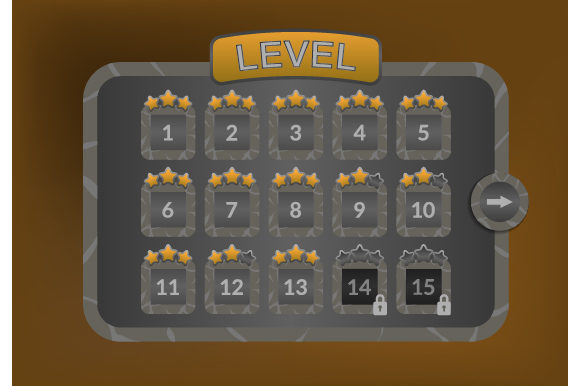
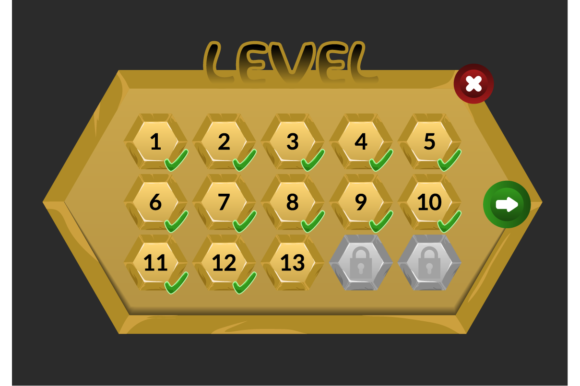
Consider a mobile puzzle game where the player must track progress through a series of levels. A level game UI board sign that visually represents completed levels with color-coded stars or checkmarks helps players track their progress without confusion.
How Vector Illustration Enhances Game UI Design
Vector illustration is especially useful when designing UI elements that need to be reused or adapted across different parts of a game. Because vectors are resolution-independent, they are perfect for creating icons, buttons, and status indicators that appear consistently across platforms.
For example, a designer working on a turn-based strategy game might use vector illustration to create a level game UI board sign that appears on each mission screen. This sign can include the level number, an icon representing the difficulty, and a progress indicator—all designed in a consistent style that matches the game’s aesthetic.
Additionally, vector illustration allows for easy integration with game engines like Unity or Unreal Engine. Designers can export vector assets in formats like SVG or PNG and import them directly into the game environment, streamlining the development process.
Practical Applications of UI Illustration in Game Development
UI illustration isn’t limited to just menus and buttons. It extends to in-game elements that provide feedback and information to the player. Here are some common applications:
- Health and Stamina Bars: Visual indicators that change color or shape based on the player’s condition.
- Inventory Systems: Icons and labels that represent weapons, tools, or consumables in a player’s inventory.
- Map and Navigation: Mini-maps, compasses, and quest markers that guide players through the game world.
- Dialogue Boxes: Stylish text containers that reflect the tone of the character or story.
In games with a retro or pixelated style, designers might use vector illustration to create clean, scalable versions of classic UI elements. This allows for a nostalgic look while ensuring the interface remains functional on modern screens.
Common Misconceptions About Game UI Illustration
Despite its importance, game UI illustration is often overlooked or misunderstood. Here are some common misconceptions:
- “UI design is just about making things look pretty.” – While aesthetics are important, UI design is primarily about usability and guiding the player effectively.
- “Anyone can make UI elements with basic graphic design tools.” – Creating effective game UI requires knowledge of game mechanics, player psychology, and technical constraints.
- “Vector illustration is only for logos and icons.” – Vector graphics are versatile and can be used for backgrounds, animations, and even character design in some cases.
Understanding these misconceptions helps both developers and players appreciate the complexity and value of thoughtful UI design.
How to Get Started with Game UI Illustration and Vector Design
If you’re interested in exploring game UI illustration or vector design, here are some steps to get started:
- Learn the Basics: Start with tools like Adobe Illustrator, Inkscape, or Figma to create vector graphics.
- Study Existing Games: Analyze how popular games use UI elements and what makes them effective.
- Practice Creating UI Kits: Build reusable UI components like buttons, health bars, and level indicators.
- Collaborate with Developers: Understand how UI elements integrate with game engines and respond to player input.
There are also many online courses and tutorials available that focus specifically on game UI design and vector illustration techniques. Investing time in learning these skills can open up opportunities in both indie and professional game development.
Conclusion: The Future of Game UI Illustration and Vector Design
As games continue to evolve, so too will the tools and techniques used to create their interfaces. The demand for high-quality, scalable, and responsive UI elements will only increase, making illustration for design game UI and vector illustration more important than ever. Whether you’re designing a simple mobile game or a complex RPG, understanding how to create and implement these visual elements will set your game apart in a competitive market.
By mastering the art of UI illustration and leveraging the power of vector graphics, you can create immersive, user-friendly experiences that resonate with players around the world. So whether you’re a developer, designer, or simply a fan of great game design, appreciating the role of these visual elements will deepen your understanding of what makes a game truly great.