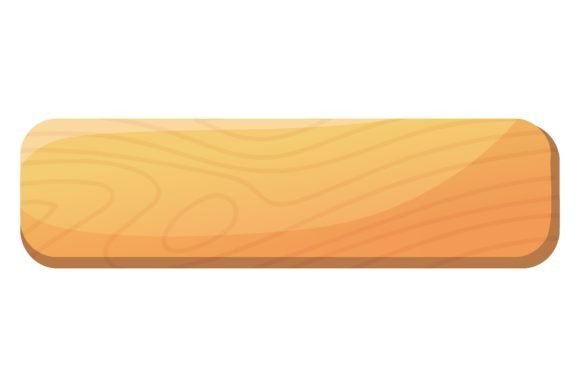
Exploring Wooden Button for Users Game Interface C in Modern UI Design
The Role of Wooden Buttons in Game Interface Design
As digital interfaces evolve, designers increasingly seek elements that blend functionality with aesthetic appeal. One such innovation is the Wooden Button for Users Game Interface C, a design component that introduces a tactile, organic feel into digital environments. Unlike conventional flat or metallic buttons, wooden buttons simulate the warmth and texture of real wood, creating a sense of familiarity and comfort for users. This design choice is particularly effective in games and apps that aim to evoke nostalgia, craftsmanship, or nature-inspired themes.
From a usability perspective, the Wooden Button for Users Game Interface C maintains the intuitive clickability of standard UI elements while enhancing visual interest. The wooden texture can be subtly varied to indicate hover, active, or disabled states, offering feedback without compromising the design's thematic integrity. These buttons are often part of a broader UI toolkit that includes panel settings, icons, and sliders, all crafted to maintain a consistent visual language.
Design Characteristics and Aesthetic Appeal
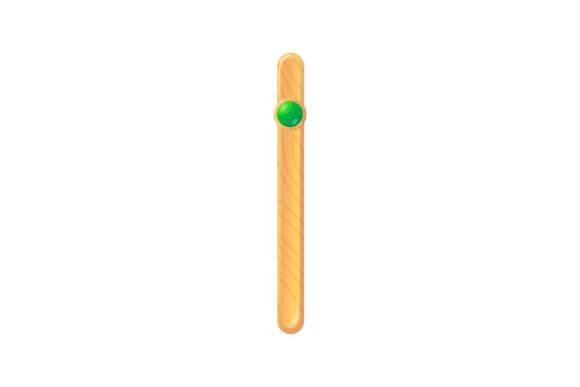
The Wooden Button for Users Game Interface C stands out due to its material-inspired design. It typically features a textured surface that mimics wood grain, sometimes with slight imperfections like knots or uneven edges, which contribute to its authenticity. These visual cues help create a more immersive user experience, especially in applications or games that emphasize realism or handcrafted aesthetics.
Designers often pair these buttons with other wooden UI components such as sliders, toggles, and panel backgrounds. The overall effect is a cohesive, organic interface that feels less digital and more tactile. This is particularly appealing in genres like puzzle games, adventure titles, or simulation apps where the interface should complement the theme rather than distract from it.
Practical Applications in Game and App Development
Developers and UI designers incorporate the Wooden Button for Users Game Interface C into a variety of digital products. In game development, these buttons are ideal for menu systems, inventory controls, and in-game settings panels. Their natural appearance aligns well with games that feature rustic, medieval, or fantasy settings. For example, a survival game set in a forest might use wooden buttons to reinforce the environment’s authenticity and enhance immersion.
Beyond gaming, these UI elements are also useful in educational apps, productivity tools, and creative software that aim to reduce the cold, clinical feel of digital interfaces. An illustration app might use wooden buttons to evoke the feel of a traditional art studio, while a journaling app could use them to create a warm, inviting atmosphere. The versatility of the Wooden Button for Users Game Interface C makes it a valuable asset for any design that benefits from a humanized, tactile interface.
Advantages of Using Wooden UI Elements
There are several advantages to incorporating the Wooden Button for Users Game Interface C into a UI design system. First, it offers a unique visual identity that differentiates an app or game from others that rely on standard, flat design patterns. In a saturated market, distinctive UI elements can help a product stand out and create a memorable user experience.
Second, wooden buttons can contribute to a more emotionally engaging interface. The warmth of wood as a material is psychologically comforting, which can make users feel more at ease while interacting with an app or game. This emotional resonance can lead to increased user satisfaction and longer engagement times.
Third, wooden UI elements are highly customizable. Designers can adjust the color, grain pattern, and texture to match different themes and color schemes. Whether it's a dark oak finish for a dramatic effect or a light birch tone for a minimalist look, the Wooden Button for Users Game Interface C can be adapted to fit a wide range of visual styles.
Integration with Panel Settings and UI Kits
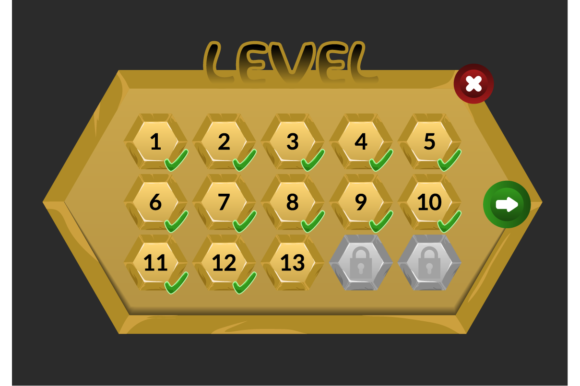
The Wooden Button for Users Game Interface C is often accompanied by a suite of related UI components, including panel settings, checkboxes, and sliders. These elements are typically designed to work together seamlessly, ensuring a unified look across the entire interface. For instance, a panel setting might feature a wooden background with carved edges, complementing the buttons and other controls placed within it.
Designers can use these components to build complex interfaces that maintain a consistent aesthetic. In a game’s settings menu, for example, wooden sliders could control volume levels, while toggle switches made of the same material handle graphical preferences. This level of detail not only enhances the visual appeal but also reinforces the thematic consistency of the application.
Use in Cartoon Illustrations and Character-Driven Interfaces
One of the most creative applications of the Wooden Button for Users Game Interface C is in cartoon-style illustrations and character-driven UIs. These interfaces often feature anthropomorphic elements or playful designs that align with a whimsical or lighthearted tone. Wooden buttons can be stylized to look like parts of a character—such as a tree stump for a button base or bark for the surface texture—making the UI feel like an integral part of the visual narrative.
For example, a game featuring forest creatures might use wooden buttons shaped like acorns or pinecones, with textures that match the environment. This kind of thematic integration enhances the overall experience, making the UI not just functional but also a storytelling device. The Wooden Button for Users Game Interface C thus becomes more than a control—it becomes a visual cue that reinforces the world the user is interacting with.
Considerations for Implementation
While the Wooden Button for Users Game Interface C offers many benefits, there are some considerations to keep in mind during implementation. One is accessibility. The textured surface and natural color variations of wooden buttons must not interfere with readability or usability. Designers should ensure sufficient contrast between the button and its label, especially for users with visual impairments.
Another consideration is scalability. Wooden textures can be resource-intensive, particularly in mobile or web applications where performance optimization is crucial. Designers should balance visual richness with loading times and memory usage. Using scalable vector graphics (SVGs) or optimized PNGs can help maintain quality without sacrificing performance.
Finally, consistency is key. If a UI includes wooden buttons, other elements such as fonts, icons, and background panels should complement the overall aesthetic. Mixing too many different styles can create a disjointed look that detracts from the user experience. The Wooden Button for Users Game Interface C works best when it is part of a carefully curated design system that maintains visual harmony throughout the application.
Trends and Future Directions in Wooden UI Design
As digital design trends continue to evolve, the use of organic and material-inspired elements like the Wooden Button for Users Game Interface C is likely to grow. With the rise of hybrid interfaces that blend 2D and 3D elements, tactile textures are becoming more prominent in UI design. Additionally, as users seek more immersive and emotionally engaging experiences, designers are turning to familiar materials like wood to bridge the gap between the digital and physical worlds.
Future iterations of the Wooden Button for Users Game Interface C may include animated textures or responsive materials that change based on user interaction. For instance, a button could show signs of wear when clicked repeatedly or glow softly when hovered over. These enhancements would further blur the line between digital and physical, creating interfaces that feel alive and responsive.
Conclusion
The Wooden Button for Users Game Interface C represents a thoughtful approach to UI design that prioritizes both aesthetics and usability. By incorporating the warmth and texture of wood into digital interfaces, designers can create more engaging and emotionally resonant experiences. Whether used in games, educational tools, or creative applications, these buttons offer a unique blend of functionality and visual appeal that sets them apart from more conventional UI elements. As design trends continue to embrace organic and tactile materials, the role of the Wooden Button for Users Game Interface C in shaping the future of digital interfaces is likely to expand, offering new possibilities for immersive and intuitive user experiences.