Game Progress Awards and Medal Landings: A Visual Achievement Guide
When it comes to celebrating milestones in digital experiences, Game Progress Award and Medal Landing visuals play a crucial role. These design elements—often seen in web interfaces, mobile apps, or game dashboards—mark achievements with symbolic flair. Whether it’s a golden medallion, a star-shaped reward, or a decorative trophy, these illustrations communicate success in a way that resonates across audiences.
What Are Game Progress Awards and Medal Landings?
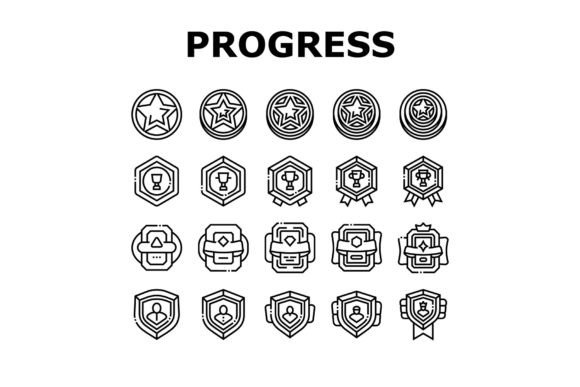
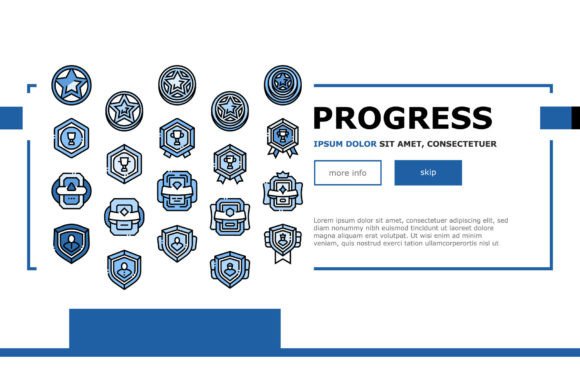
Game Progress Awards and Medal Landing visuals are digital graphics used to represent achievements in games, learning platforms, productivity tools, and gamified marketing campaigns. These illustrations typically include icons like cups, stars, medals (gold, silver, or bronze), and decorative cards. They’re often delivered in formats such as JPG or EPS, making them suitable for both web and print use.
These visuals are more than just decorative. They help users feel a sense of accomplishment and progression. Whether you're a beginner unlocking your first level or a business owner tracking team performance, seeing a visual representation of progress can be motivating and informative.
Why Different People Care About Achievement Graphics
The value of Game Progress Award and Medal Landing visuals varies depending on who’s using them. Here’s how different audiences might interact with or benefit from these assets:
Beginners and Casual Users
For newcomers to digital platforms, especially in gaming or learning environments, these visuals provide clear feedback. A golden star or a shiny cup can signal success in a way that’s easy to understand. Beginners often appreciate ease of use and immediate visual feedback—so simple, bold designs tend to work best for this group.
Example: A language-learning app might show a silver medal after completing a beginner's course, helping users track progress without needing written feedback.
Experienced Gamers and Professionals
For seasoned players or professionals using gamified software, these visuals often serve as milestones in long-term engagement. They may care more about presentation quality, consistency across levels, and long-term usability. High-resolution EPS files are often preferred here for scalability across platforms.
Example: A project management tool might use tiered medals to represent completed phases of a large initiative, giving teams a visual roadmap of success.
Creators and Designers
Designers and illustrators often look for flexibility and adaptability in these graphics. They might need to integrate Game Progress Award and Medal Landing visuals into a broader UI/UX design system. For them, customization options, vector formats, and design consistency are key.
Example: A freelance graphic designer working on a client’s gamified mobile app might use EPS versions of star-shaped rewards to ensure crisp visuals across different screen sizes.
Educators and Trainers
In educational settings, these visuals can enhance motivation and learning retention. Educators may use them to mark quiz completions, course milestones, or student achievements. They often prioritize learning value, clarity, and inclusivity in design.
Example: A teacher using a gamified classroom app might assign a decorated cup graphic to students who complete a reading challenge, making learning more engaging.
Business Owners and Marketers
From a marketing or branding perspective, Game Progress Award and Medal Landing visuals can be part of loyalty programs, customer engagement campaigns, or internal gamification strategies. These users often focus on brand alignment, commercial value, and scalability.
Example: An e-commerce brand might use star-shaped progress awards in a customer loyalty program, rewarding points with visual badges that match the brand’s color scheme.
Hobbyists and Enthusiasts
Creative hobbyists may incorporate these visuals into personal projects, such as custom board games, digital scrapbooks, or personal websites. They often care about creativity, presentation quality, and ease of access.
Example: A DIY blogger designing a printable progress tracker for a 30-day fitness challenge might use a golden medallion graphic to symbolize completion.
Choosing the Right Game Progress Award Format
When selecting visuals for achievement tracking, format matters. Two common options are JPG and EPS:
- JPG – Best for quick web use, especially when file size is a concern. Ideal for beginners or users who don’t need to scale graphics beyond standard screen sizes.
- EPS – Vector-based and scalable without quality loss. Preferred by professionals, designers, and businesses that need high-quality, adaptable graphics for various platforms.
Matching Visuals to Your Goals
Whether you're designing a game interface, developing an online course, or running a marketing campaign, the right Game Progress Award and Medal Landing visuals can make a difference. Consider the following when selecting your graphics:
- Target audience: Are they beginners, professionals, or a mixed group?
- Use case: Will the visuals be used in a mobile app, website, or printed material?
- Design needs: Do you need scalable assets or something ready to use out of the box?
- Branding: Should the graphics align with your existing color scheme or style?
- Long-term value: Will these visuals remain relevant as your project evolves?
Conclusion: Are Game Progress Awards Right for You?
If you're looking for a way to visually represent success, progress, or achievement, Game Progress Award and Medal Landing graphics offer a flexible and engaging solution. Whether you're a designer crafting a game interface, an educator tracking student milestones, or a business owner gamifying customer interaction, these visuals can enhance the user experience in meaningful ways.
By understanding your goals, audience, and design requirements, you can choose the right format and style to make your project stand out—without overcomplicating the process.