Game Eat Sleep: Balancing Creativity, Rest, and Productivity in Your Projects
In today's fast-paced world, maintaining a healthy rhythm between work, rest, and creativity can be a challenge—especially for those engaged in graphic design, crafting, or digital content creation. Enter Game Eat Sleep, a concept that encapsulates the essential cycle of activity, nourishment, and rest that supports a sustainable and productive creative lifestyle. Whether you're a graphic designer, hobbyist, or DIY enthusiast, understanding how to integrate this cycle into your daily routine can significantly enhance your output and overall well-being.
What Is Game Eat Sleep?
The phrase Game Eat Sleep isn't just a catchy sequence of verbs—it's a mindset. It represents the ideal rhythm of a productive day: engaging in focused, meaningful work ("game" time), refueling with proper nutrition, and allowing your body and mind to recover through restful sleep. For creative professionals and hobbyists alike, this balance is crucial for sustaining energy, inspiration, and efficiency.
When applied to crafting and digital design, the Game Eat Sleep philosophy encourages a structured yet flexible approach to creativity. It’s not about working non-stop; it’s about working smart, taking care of yourself, and allowing your best ideas to surface naturally.
Challenges in Creative Workflows
Creative professionals often face burnout, lack of inspiration, or inconsistent productivity due to poor time management and self-care. Many graphic designers, illustrators, and crafters report long hours hunched over a screen or project, followed by disrupted sleep and irregular meals. This cycle can lead to fatigue, decreased focus, and ultimately, lower quality work.
Additionally, the availability of digital tools and on-demand resources has created a culture of constant creation, where the pressure to produce can overshadow the need for rest and reflection. Without a clear rhythm to your day, it's easy to feel overwhelmed or creatively drained.
How Game Eat Sleep Helps
By integrating the Game Eat Sleep framework into your daily routine, you can create a sustainable workflow that supports both your physical and creative health. Here’s how:
- Structured Creativity: Allocating specific blocks of time for focused work—your “game” time—helps you stay productive without burning out.
- Energy Management: Eating balanced meals at regular intervals keeps your energy levels stable and your mind sharp.
- Restorative Sleep: Prioritizing sleep ensures your brain and body recover, allowing for clearer thinking and more inspired ideas.
Adopting this rhythm not only improves your health but also enhances your creative output. You’ll find yourself more energized, more focused, and more capable of producing high-quality work consistently.
Practical Applications for Designers and Crafters
Let’s explore how the Game Eat Sleep model can be practically applied in real-life creative scenarios:
Graphic Designers
Designers often face tight deadlines and long hours. To avoid fatigue, set a timer for 50-minute work sessions followed by a 10-minute break—this is known as the Pomodoro technique. During your break, step away from the screen, hydrate, or take a short walk. Incorporate balanced meals every 3–4 hours and aim for 7–8 hours of sleep each night to maintain peak performance.
Crafters and Makers
If you're working on physical projects like embroidery, woodworking, or printmaking, the Game Eat Sleep method helps prevent physical strain. Alternate between focused crafting sessions and rest periods. Stretch regularly, stay hydrated, and ensure you’re eating nutrient-rich foods to keep your energy up. Don’t underestimate the power of a good night’s sleep to help you approach your next project with fresh eyes.
Downloadable Resources for Your Creative Projects
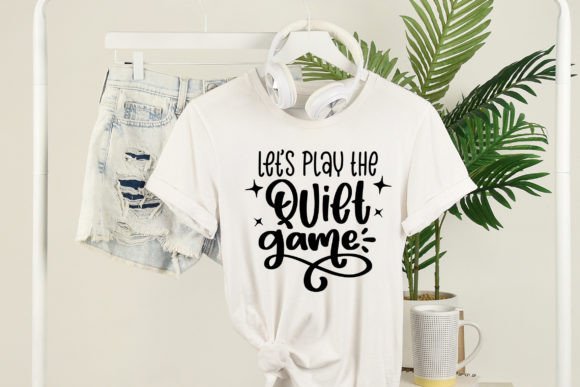
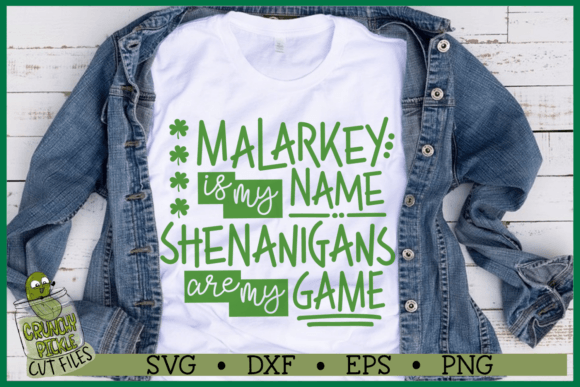
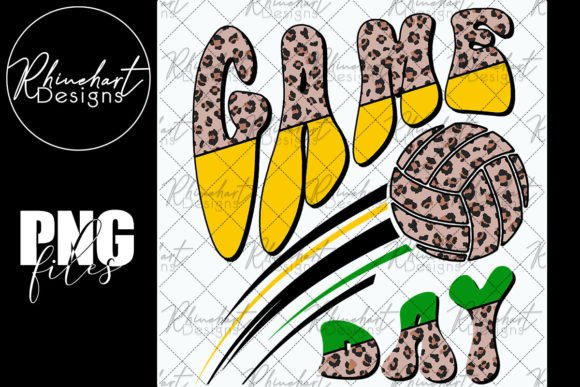
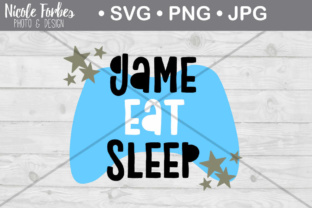
One of the most effective ways to stay inspired and organized is by using visual aids that reflect your creative rhythm. The Game Eat Sleep crafting graphic is a perfect example. This versatile design can be used in bullet journals, productivity planners, or as a motivational poster in your workspace.
Available in multiple formats—SVG file, PNG file, PDF file, and JPG file—this graphic is compatible with a wide range of creative tools and software. Whether you're printing it for personal use or integrating it into digital design projects, it's a valuable asset that reinforces the importance of balance in your creative journey.
How to Use the Game Eat Sleep Graphic
- Planners and Journals: Print the PDF or JPG file and include it in your weekly planner to remind yourself to maintain a healthy rhythm.
- Digital Design: Use the SVG or PNG file in design software like Canva or Adobe Illustrator to customize and incorporate into your branding or client projects.
- Decorative Prints: Frame the graphic as a visual cue in your workspace to promote mindfulness around your creative habits.
Customizing Game Eat Sleep for Different Users
While the core concept of Game Eat Sleep remains the same, individuals may interpret and implement it differently based on their lifestyle, work habits, and creative goals.
- Freelancers: May benefit from setting strict start and end times for “game” periods to avoid overworking.
- Full-Time Employees: Can integrate the model during personal creative projects or side hustles by scheduling creative sessions after work.
- Students or Hobbyists: May find it helpful to use the Game Eat Sleep structure to manage schoolwork and personal crafting projects without feeling overwhelmed.
Regardless of your role, the key is to personalize the framework to fit your schedule and needs. The goal is not perfection but consistency and balance.
Final Thoughts and Recommendations
Embracing the Game Eat Sleep philosophy can transform the way you approach your creative work. By aligning your energy with your productivity and prioritizing rest, you'll not only feel better but also produce better work. The downloadable Game Eat Sleep crafting graphic is a simple yet powerful tool to help you stay on track and visually reinforce your commitment to a balanced creative lifestyle.
Remember, creativity thrives when it’s supported by structure and self-care. Start small, experiment with timing and routines, and don’t be afraid to adjust your rhythm as needed. With the right balance, your creative potential is limitless.