Don’t Just Play the Game—Master It with Bold T-Shirt Designs
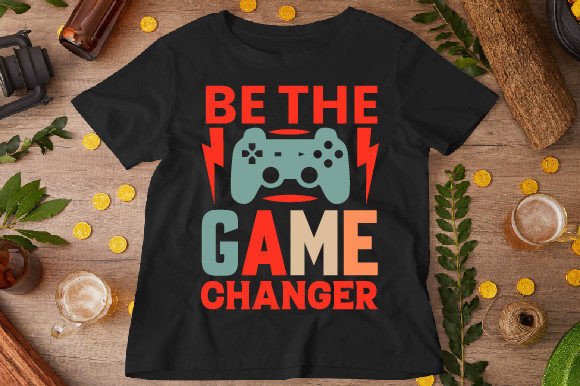
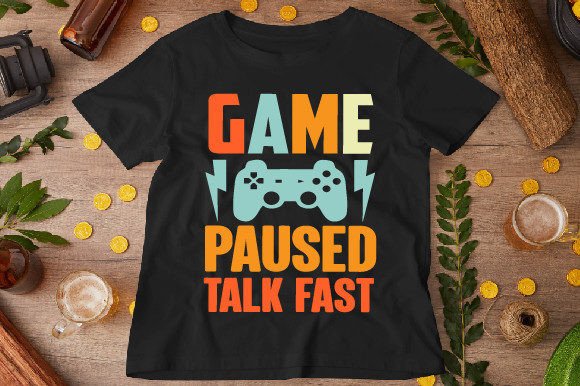
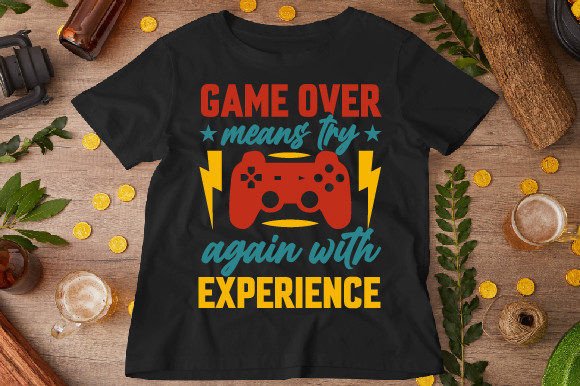
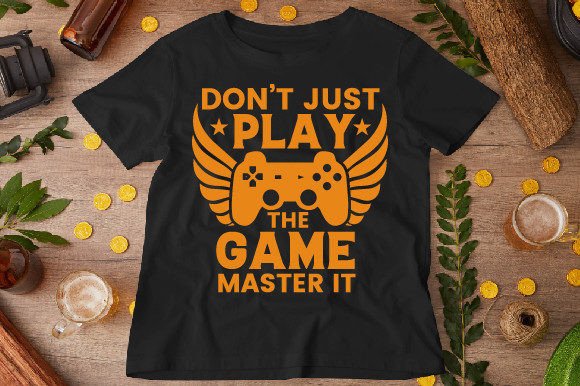
For gamers, creators, and entrepreneurs, standing out in a crowded digital and physical marketplace means more than just having a great idea—it’s about presenting it with confidence and clarity. The Don’t Just Play the Game—Master It T-shirt design concept taps into that mindset, blending motivational messaging with high-quality, customizable vector graphics. Whether you're printing on a T-shirt, mug, or promotional merchandise, this design offers flexibility and visual impact.
Understanding the Design and Its Appeal
The Don’t Just Play the Game—Master It design is more than a catchy slogan; it's a statement of intent. It resonates with gamers aiming to level up, entrepreneurs pushing boundaries, and educators inspiring students. The design includes scalable vector graphics (SVG and EPS formats), high-resolution PNG and JPG files, and PDF templates—all compressed into a single zip file for easy access.
Its versatility allows users to tweak colors, resize elements, and apply the design across multiple platforms and products. This makes it ideal for personal use, small businesses, and content creators looking to build a branded merchandise line without the overhead of custom design work.
Common Mistakes When Using the Design
Despite its potential, many users miss opportunities or make small but impactful errors when working with the Don’t Just Play the Game—Master It design. These missteps can affect the final product's quality, presentation, and usability.
1. Skipping File Extraction Steps
One of the most common issues is failing to properly extract the zip file. Some users double-click the file without extracting, which may open the contents in a temporary folder or not at all. Always right-click and select “Extract All” to ensure you have full access to all file types, including SVG, EPS, and PDF formats.
2. Overlooking File Compatibility
Each format serves a different purpose. SVG files are ideal for digital editing and scaling without loss of quality, while EPS is preferred for professional printing. Users unfamiliar with design software sometimes open these files in incompatible programs, leading to frustration or distorted visuals. Always verify which software supports each file type before opening.
3. Ignoring Color Adjustments
While the design is eye-catching in its original form, not adjusting the color to match your merchandise can lead to a mismatched or unprofessional look. For example, using a bright red design on a dark shirt without adjusting contrast or opacity might make the text hard to read. Always preview the design on your intended product color before printing.
4. Misjudging Sizing and Placement
Another frequent issue is improper scaling. Vector files allow for resizing without quality loss, but the design’s layout may not look balanced if stretched too much. For example, placing a large slogan across the chest of a T-shirt might crowd the design or make it difficult to read. Always test the design on a mockup or print template before final production.
How These Mistakes Impact Results
Small oversights can lead to big disappointments. A poorly extracted file may prevent access to the highest quality versions. Using the wrong format can cause pixelation or printing errors. Color mismatches may make the design look amateurish. And improper sizing can ruin the intended visual impact of the slogan.
These issues don’t just affect aesthetics—they can influence how your brand or personal image is perceived. A poorly executed design can undermine the bold message behind “Don’t Just Play the Game—Master It.”
Practical Tips to Avoid Common Pitfalls
Avoiding these mistakes doesn’t require advanced design skills—just a bit of planning and attention to detail.
- Always extract the zip file completely. Use built-in OS tools or third-party software like WinRAR or 7-Zip to ensure all files are accessible.
- Match file types to their use cases. Use SVG for digital editing, EPS for professional print, and PNG/JPG for quick previews or social media use.
- Preview your design on the intended background color. Many online mockup tools allow you to upload your design and visualize it on different colored shirts, mugs, or posters.
- Use design software or online editors. Tools like Adobe Illustrator, Canva, or Inkscape offer better control over resizing, color adjustments, and layout alignment.
- Test print small samples. If you're producing merchandise in bulk, always print a test version to check color accuracy, size, and clarity.
What to Check Before Finalizing Your Design Use
Before printing or publishing your design, consider the following:
- File format suitability – Are you using the right format for your intended output?
- Color contrast – Does the design stand out clearly on the background?
- Text readability – Is the slogan easy to read from a normal viewing distance?
- Resolution quality – For print, always use 300DPI files to ensure sharpness.
- Design alignment – Is the layout centered and balanced on the product?
Realistic Examples and Better Approaches
Let’s say you're a content creator launching a new gaming channel. You download the Don’t Just Play the Game—Master It design and immediately try to print it on black T-shirts. The result? The dark red text blends into the background, making it barely legible.
A better approach would be to adjust the text color to white or neon yellow for high contrast. You could also add a subtle drop shadow or outline to ensure readability. Another option is to simplify the design by removing background elements that don’t translate well to fabric printing.
In another scenario, a small business owner attempts to use the EPS file directly in a word processor, only to find it won’t open. The solution? Use a dedicated design tool or convert the file to a compatible format like PNG before inserting it into documents or presentations.
Final Thoughts
The Don’t Just Play the Game—Master It T-shirt design is a powerful tool for anyone looking to make a bold statement. With the right approach, you can avoid common pitfalls and create high-quality, visually striking merchandise that resonates with your audience. Whether you're a beginner or a seasoned creator, taking a few extra steps to ensure design accuracy will elevate your results and reinforce your message effectively.